

Some projects are mainly about organizing an event. Others stay with you because you experience them yourself. For me, the Nordic Arctic Summit 2026 was definitely the latter.
After months of planning, coordination and countless details to work through, it was rewarding to finally see everything come together over three intense days in Östersund and Bydalen. And with temperatures dropping to around -15 to -25 °C, we had exactly the conditions we had hoped for: real Swedish winter
Our goal was simple: rather than talking about a complete military clothing system in a meeting room, we wanted people to experience it for themselves.
The summit was a team effort from the beginning. Christian Stjärnered from Woolpower, Andreas Marmsoler, Norbert Selle and myself from the GORE-TEX® Brand worked closely together throughout the preparation. There was a lot to coordinate, but we shared the same idea of what we wanted the event to be: practical, relevant and built around real experience.
A complete system, experienced in the cold
At the heart of the summit was the interaction between the different layers and products.
Battle Dress Uniforms and insulated garments manufactured by Siamidis, together with combat boots and gloves featuring different GORE-TEX® Product Technologies, were not presented as individual pieces of equipment. Participants wore and tested them as parts of a complete system.
Konstantinos and Nikos Siamidis played an important role alongside Gore in making this possible. The team’s expertise helped connect material technology with functional garment design and, most importantly, with the practical requirements of military users.
That was one of the central ideas we wanted participants to take away from the summit: performance in cold conditions cannot really be judged one a single layer or product at a time. What matters is how everything works together across different temperatures, activity levels and mission profiles.
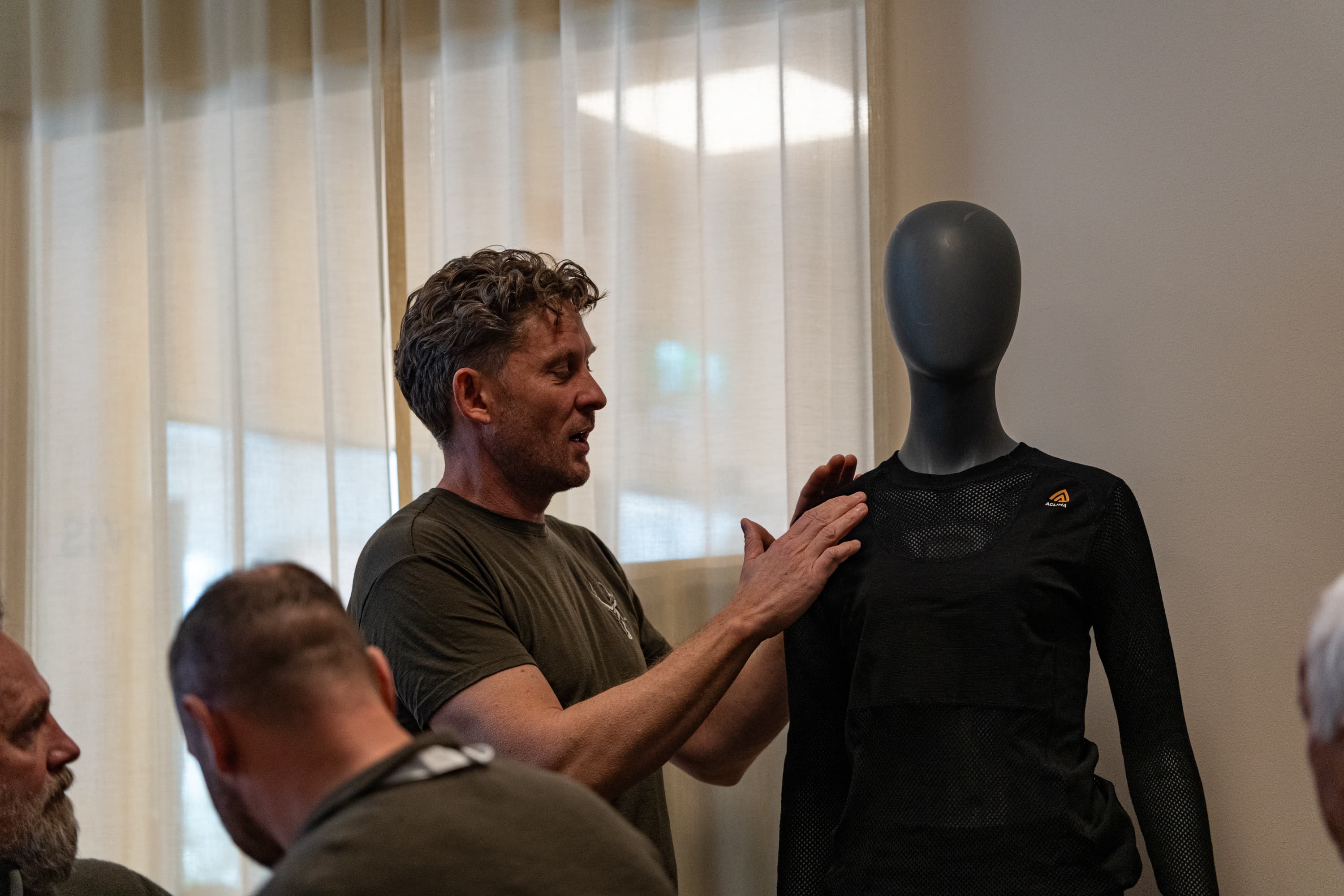
The wider partner network made that system complete. Woolpower and Aclima represented the important next-to-skin and base layer components of the Nordic Combat Uniform system, showing the role moisture management, thermal regulation and insulation play as conditions and activity levels change.
Footwear and gloves from Haix, W+R, ESKA and Otto Kessler added another important part of the experience. Each partner brought different expertise, but everyone was working towards the same goal: showing what an integrated military clothing system can deliver in real winter conditions.
From arrival to experience
Our first day in Östersund was about adapting to the cold conditions, getting everyone equipped and, just as importantly, getting to know each other.
We had an international group of media representatives, partners and specialists, and the atmosphere was open from the start. It quickly became clear that this would not be an event where people simply stood on the sidelines and watched.
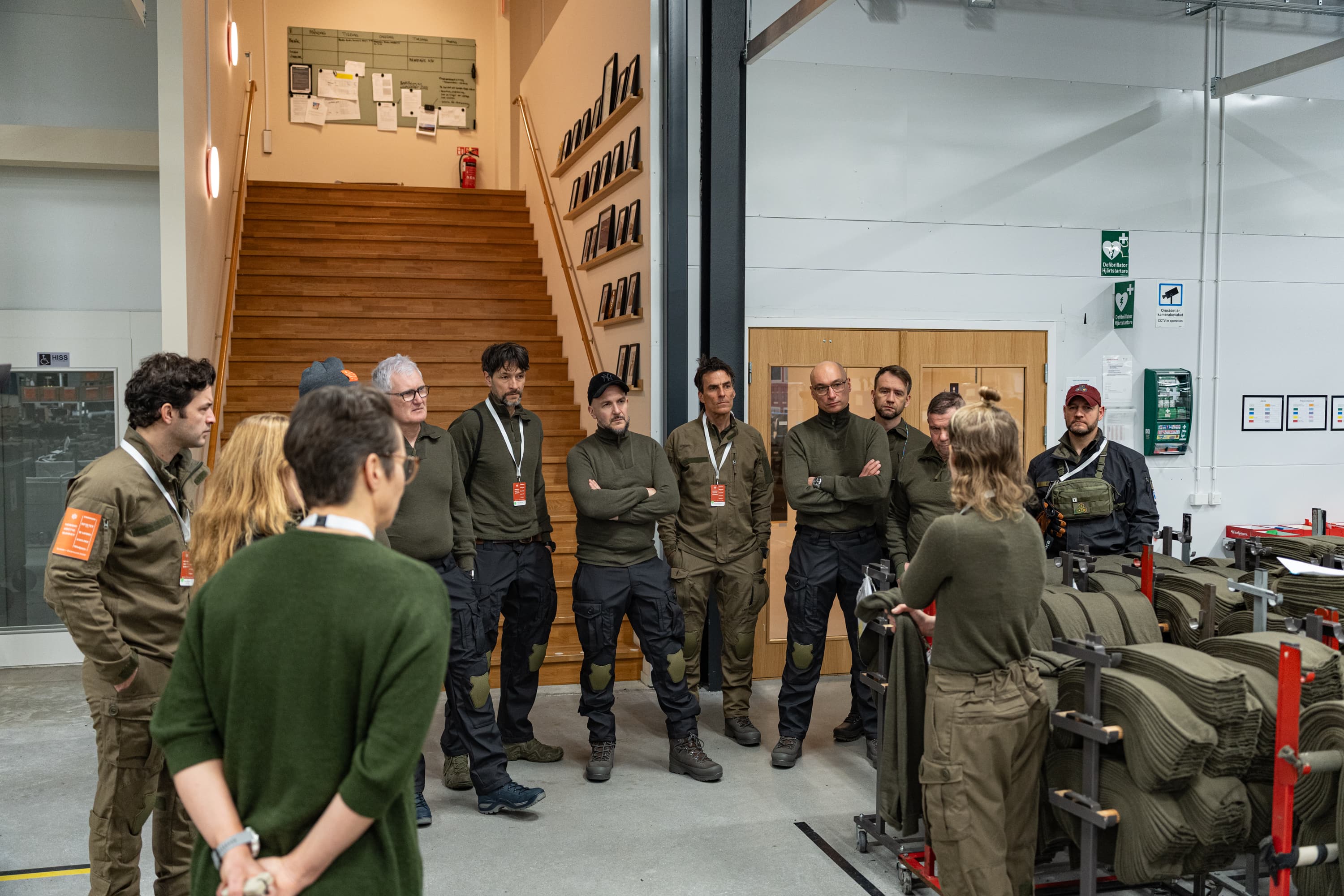
On day two, we started at Woolpower. The factory visit gave participants a closer look at the role of base layers and at the people and processes behind the products. Seeing the journey from yarn to finished garment also gave some useful context before we headed outside and started putting the system to work.
The first real test came at the biathlon training facility in Östersund.
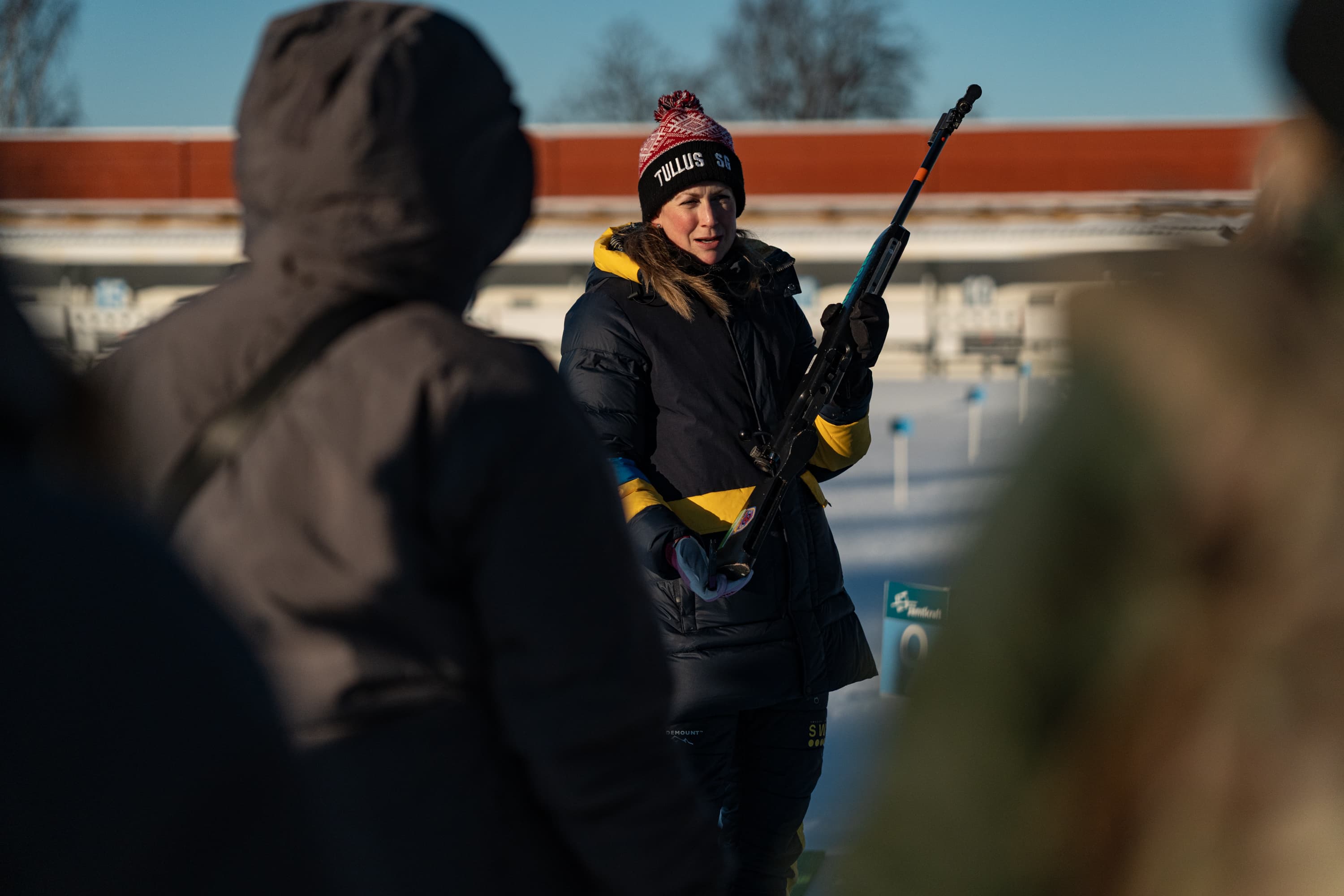
Together with former Biathlon world class athlete Helena Ekholm, participants took part in shooting training and experienced first-hand how fit, freedom of movement and climate comfort can affect performance. Moving between physical activity and the concentration required for steady shooting made the differences very tangible. At around -15°C and windy conditions, there was no need to imagine how the equipment would perform in the cold.
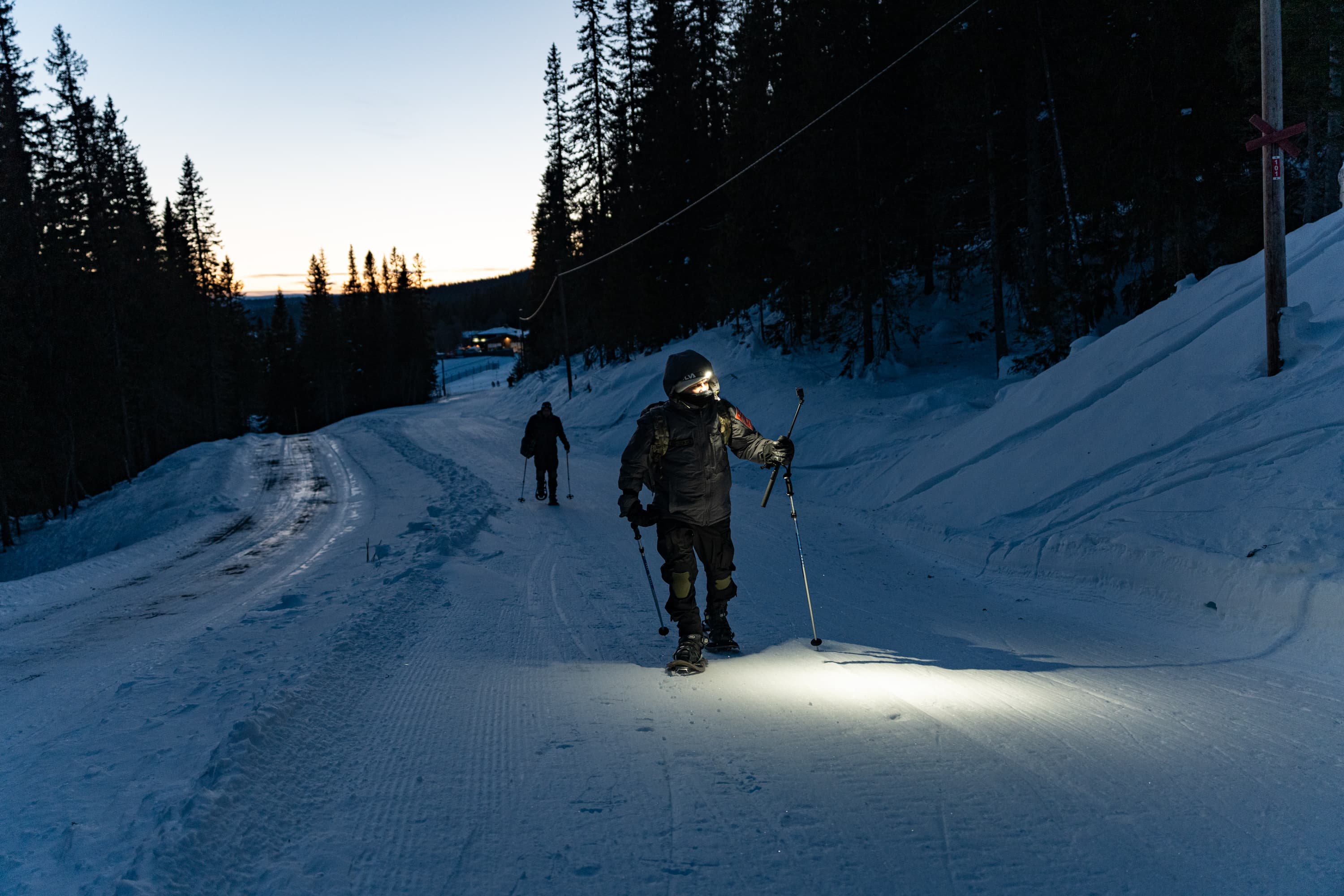
Later, after travelling to Bydalen, Silva led us on a snowshoe hike at dusk. Physical activity, falling temperatures and fading daylight created a completely different situation. Participants could feel how the layers behaved as their activity level changed, while Silva headlamps were put to use in the environment they were designed for.
The conversations continued after the program
Some of the most valuable exchanges happened outside the formal agenda.
An evening discussion about system thinking in modern military procurement brought together media representatives, partners and specialists. With everyone having shared the same experiences during the day, the conversation quickly became very practical. Questions were more specific, perspectives were exchanged openly and technical discussions felt much less theoretical.
A few participants took the experience one step further and chose to spend the night outdoors at -20 °C and windy conditions in bivy bags, using insulated sleeping bags and thermal mats.
Spending hours outside in the wind and cold, with almost no activity to generate body heat, provided a very different test from hiking or shooting. It demonstrated in a very direct way how insulation, wind protection and ground insulation need to work together.
And, perhaps unsurprisingly, those who slept outside had plenty to talk about the next morning.
Learning by doing
The final full day was again about being outside and putting the equipment through different situations: snowmobile transfers, snowshoe hiking and ice fishing.
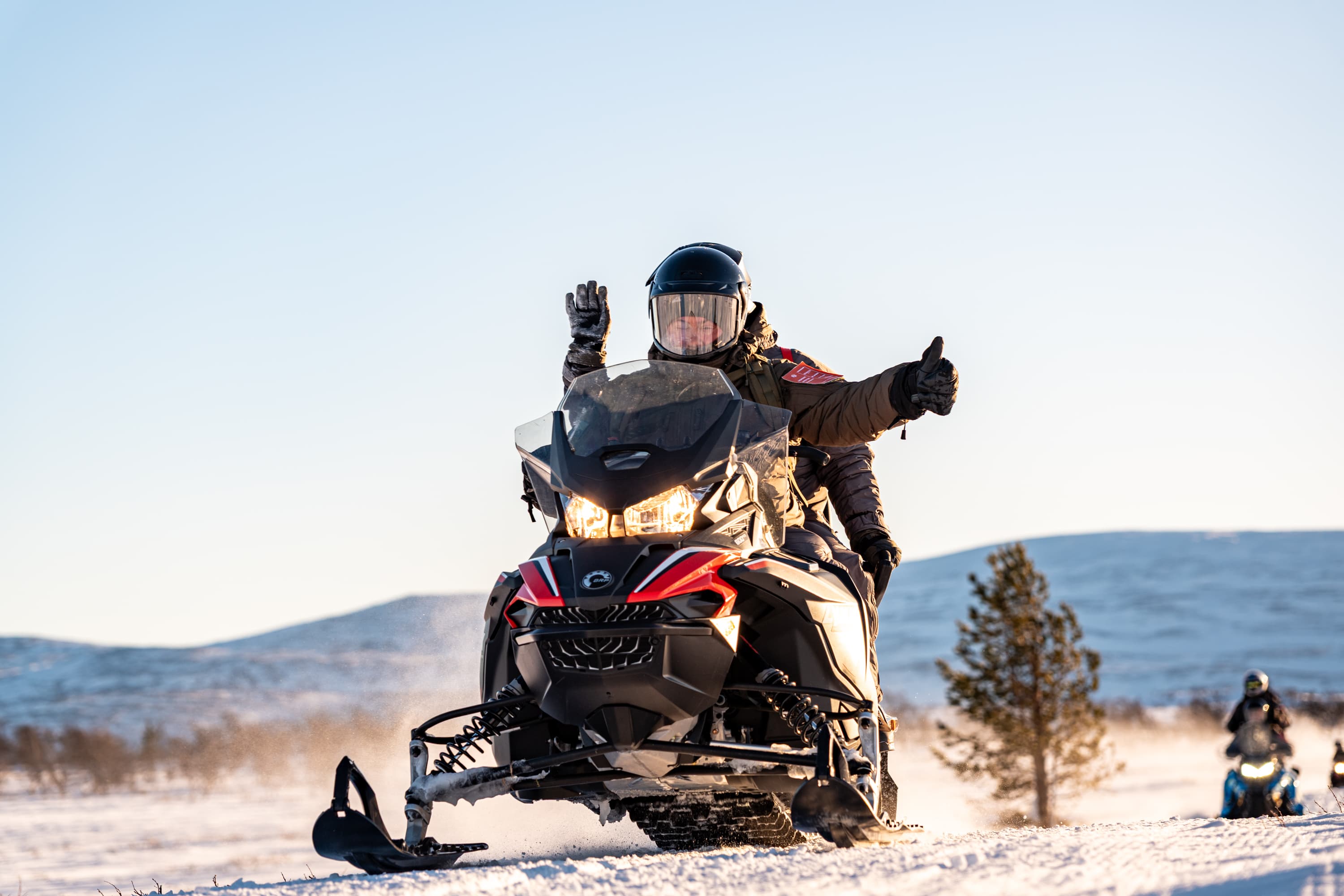
Each activity placed different demands on the clothing system. That made the feedback particularly valuable because it happened immediately. Nobody needed to sit down with a questionnaire and try to remember how something had felt hours earlier. People simply started talking about what they had noticed.
For me, this was one of the strongest aspects of the summit. The more people experienced, the more specific their questions became. Discussions about technology, garment design and user requirements developed naturally from what had just happened outside.
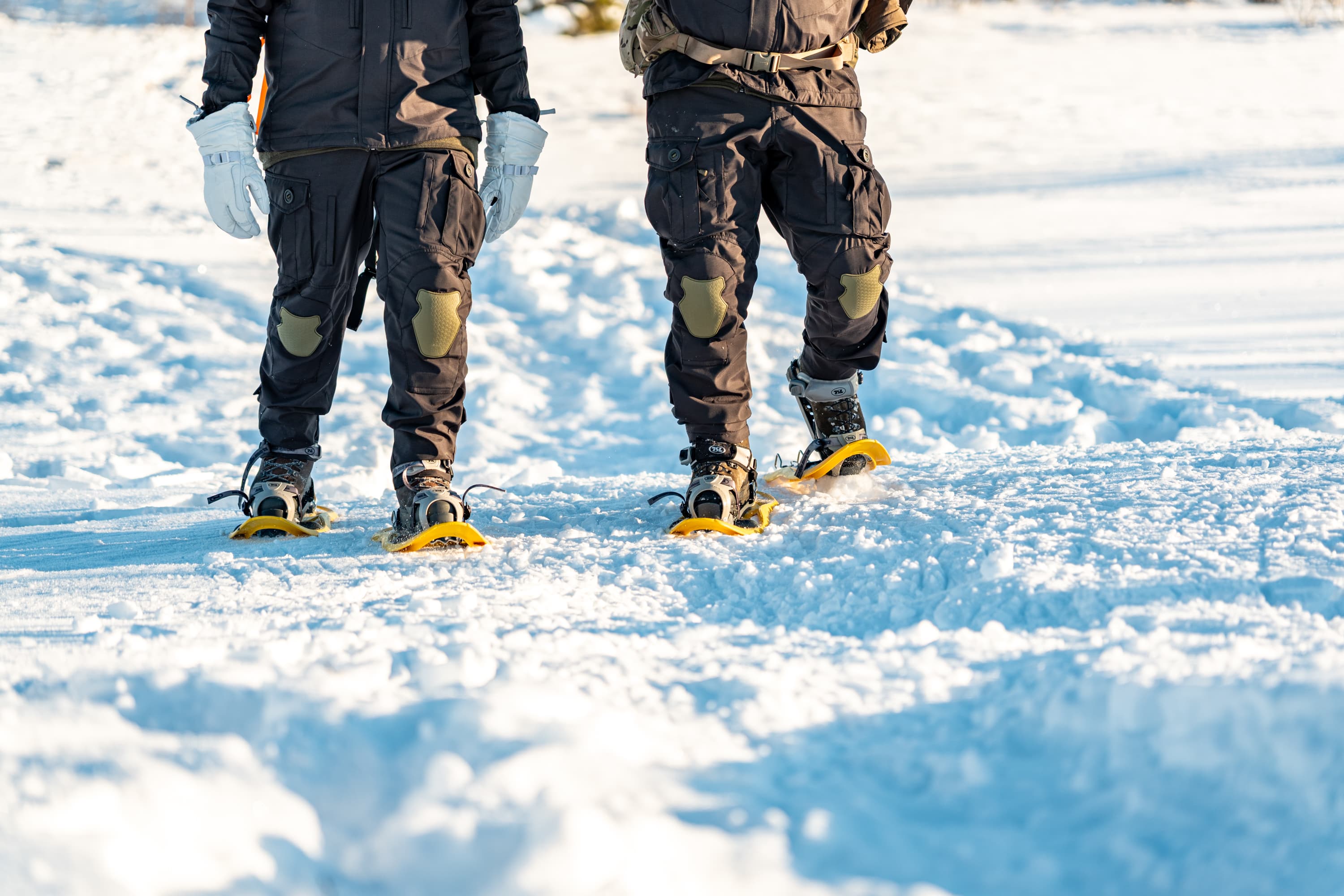
A huge part of making this possible was the support of SVEFRO and Rickard Svedjesten. Rickard and his team helped us design and run the field activities so that participants could experience realistic winter conditions while everything remained safe, professional and enjoyable. Their local knowledge and enthusiasm made a real difference throughout the summit.
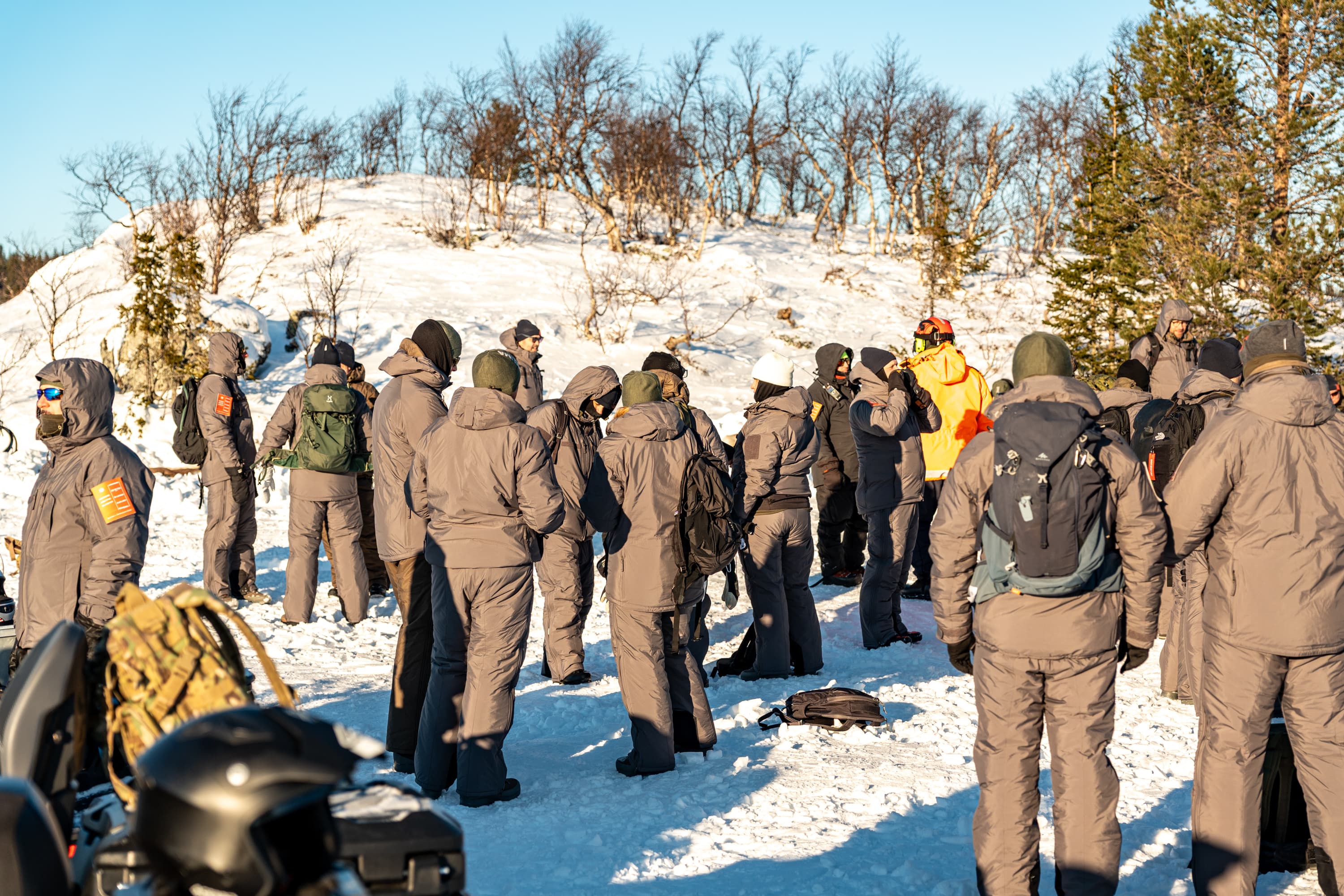
Another memorable moment was the helicopter demonstration together with the local police, which brought a strong operational element to the program.
We were also fortunate to have Swedish Army end users with us. Their presence added something we could not have created ourselves: the perspective of people who understand these requirements from actual military experience. Their questions and feedback helped connect the products and technologies we were discussing with real operational needs.
Relationships that last beyond the summit
Looking back, I don't think the success of the Nordic Arctic Summit can be measured only by the activities we completed.
One of the things I valued most was how our relationships with representatives of the international trade media developed over those three days. Conversations became more open, interviews became real discussions, and there was simply more time to understand each other's perspectives.
The same was true within the Nordic Combat Uniform partner network. Sharing cold days outside, practical challenges and many conversations along the way creates a different kind of connection than another meeting ever could.
Siamidis was an important part of that collaboration, working closely with Gore and the wider partner network to demonstrate the clothing system as one shared solution rather than a collection of individual products.
My Gore colleagues Åke Sahlgaard, Anna West, Norbert Selle, Andreas Marmsoler, Oliver Opitz, Matthias Beckerhinn, Richard Cumpstey and Marcin Krawczak brought a tremendous amount of product and scientific knowledge to the event. They helped explain topics such as comfort science, human thermophysiology, insulation, moisture management, activity level and microclimate in a way that connected the science with what participants were actually experiencing outside.
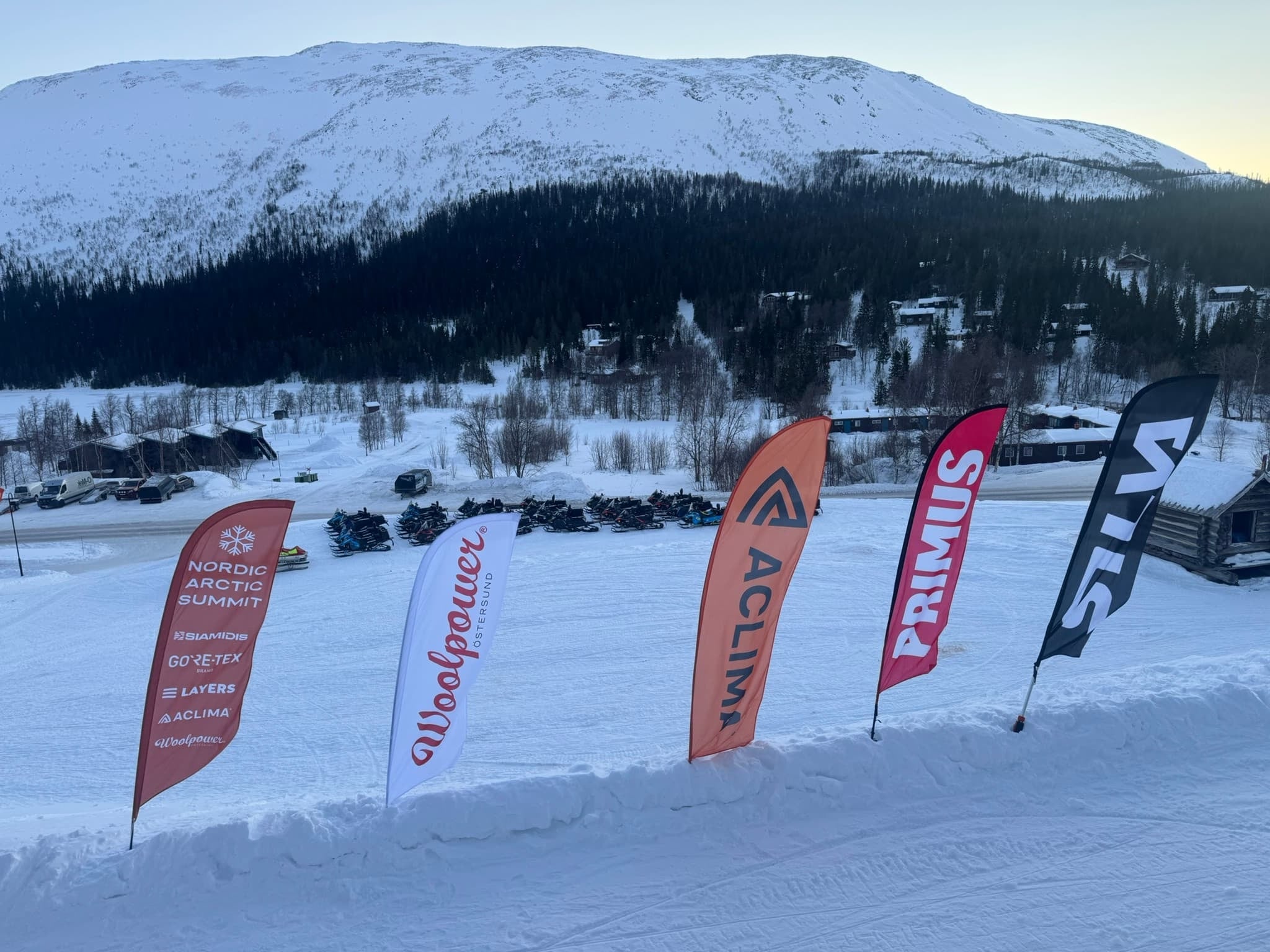
And, of course, none of this would have worked without the wider network involved: Woolpower, Aclima, Layers, Siamidis, Haix, W+R, ESKA, Otto Kessler, SILVA and SVEFRO. Everyone contributed something different, and that is exactly what made the summit work as a system-level experience rather than a traditional product showcase.
My takeaway
The Nordic Arctic Summit was demanding to organize. There were many moving parts, plenty of preparation and, as always with an outdoor event in winter, things you simply cannot control. But that was also what made it worthwhile.
For three days, we moved the conversation out of presentations and meeting rooms and into the environment these products are actually designed for. We walked through snow, stood in the cold, changed activity levels, tested equipment and talked about what worked and why.
For me, that is the biggest takeaway from the summit: a strong military clothing system isn't created by one company, one technology or one product.
It comes from people with different areas of expertise working closely together, understanding how their individual contributions affect the whole system, and never losing sight of the people who will ultimately have to rely on it.
And sometimes, you need a Swedish winter to really bring that point home.


