

Safety boots do far more than meet a checklist of mandatory requirements. For professionals who spend long hours on their feet in demanding environments, footwear plays a significant role in comfort, confidence, and overall performance. Protection is essential, but it is the combination of safety, comfort, durability, and practicality that determines whether a boot truly supports the worker wearing it.
Across global industries such as construction, energy, manufacturing, emergency response, and utilities, seven factors consistently influence real-world performance. Many of these considerations also guide how advanced technologies, including GORE-TEX® Footwear products, are engineered for professional use.
1. Mechanical Protection: The Foundation of Safety
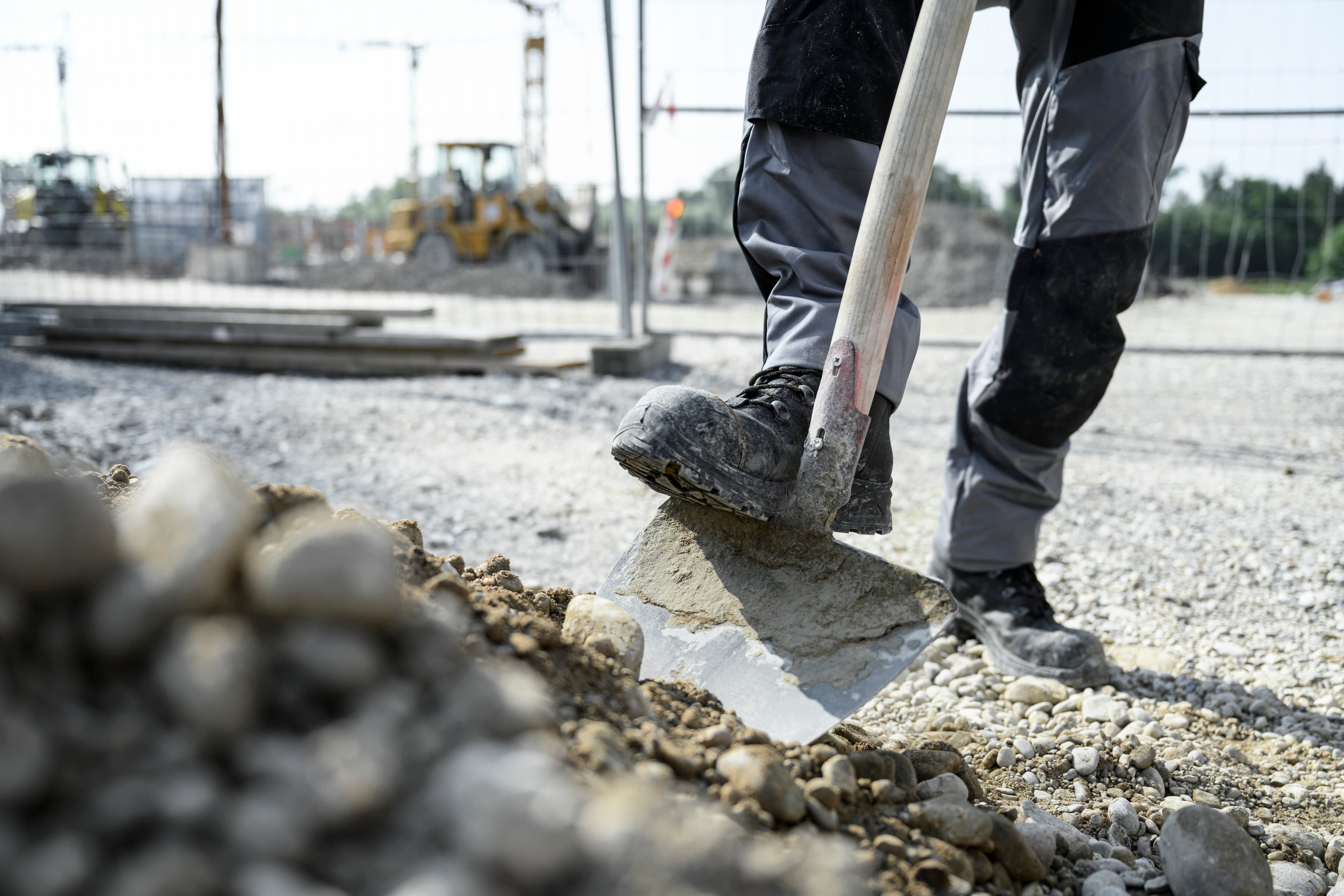
Safety boots must protect the foot from impact, sharp objects, compression hazards, and uneven terrain. Toe caps made from steel or composite materials safeguard against falling items. Anti-puncture layers, often metal or textile plates, help defend against nails or sharp debris. Reinforced sidewalls and sturdy sole structures support stability in unpredictable environments.
International standards such as EN ISO 20345: 2022 categorize protection levels and ensure safety boots meet minimum performance requirements. As boot makers incorporate advanced textiles and laminates, protection must be maintained without sacrificing comfort or durability.
2. Waterproofness and Moisture Management: Dry Feet Are Safer Feet
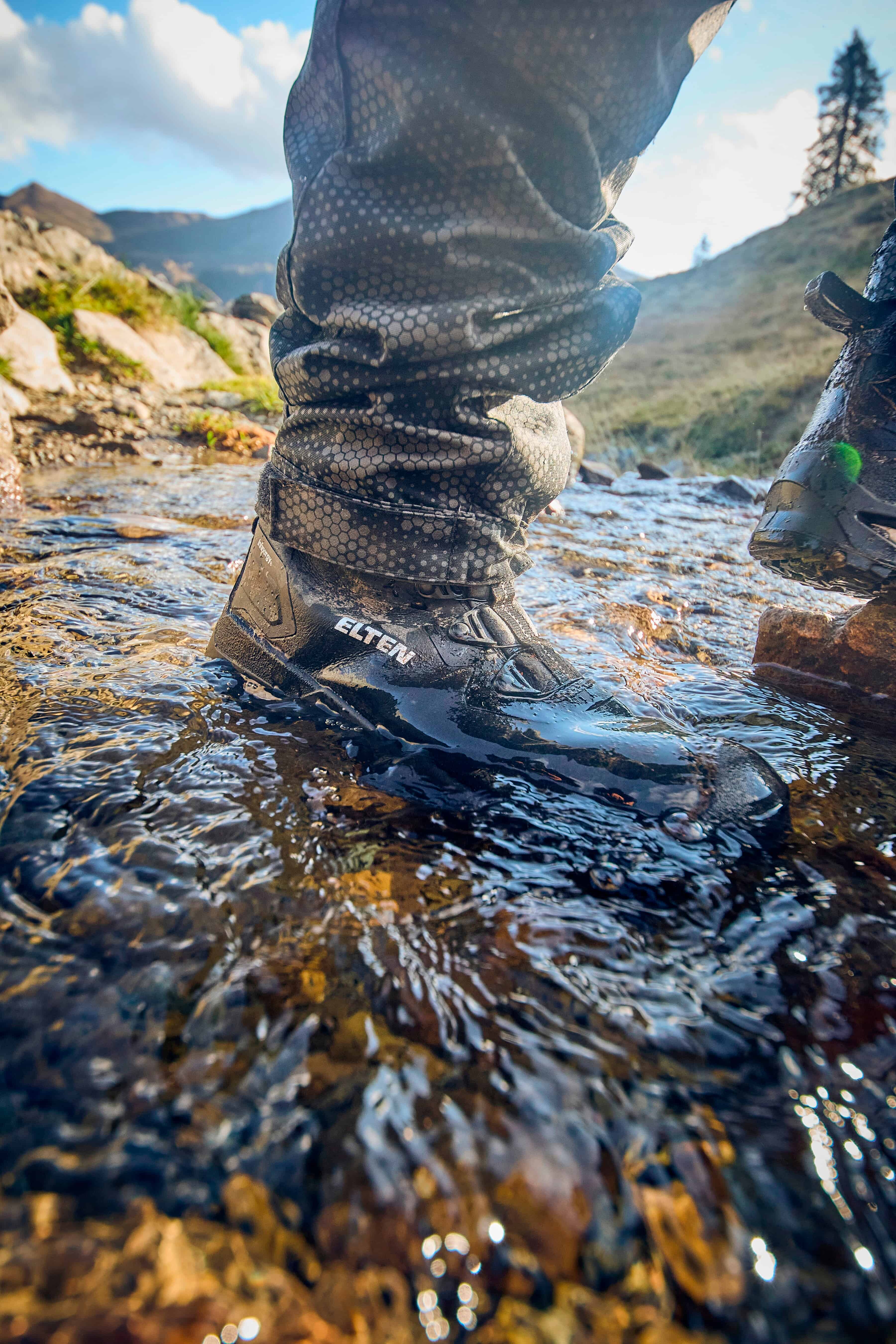
When boots allow water inside, comfort and performance deteriorate quickly. Wet feet can lead to blisters, odor, fungal issues, and in cold environments, chilled extremities that increase stress and discomfort. Sweat management is equally important, as heat and moisture trapped inside the boot can cause overheating.
Solutions that balance waterproofness and breathability are essential. Waterproof and breathable membranes, such as the GORE-TEX® Membrane, sealed seams, and durable water repellent (DWR) treatments help keep feet dry from external moisture while allowing sweat vapor to escape. This combination supports comfort over long shifts and in a wide range of climates.
3. Weight: Every Step Counts
Weight has a significant effect on daily fatigue. Research has shown that walking with extra weight on the feet requires five to seven times more energy than the same weight carried on your back.[1] This is due to repetitive stopping and acceleration action of the shoe's weight with every step, placing significantly greater strain on the muscles and circulatory system. Across long shifts, this can lead to earlier muscle fatigue and reduced concentration.
Designers increasingly use advanced composites and lighter laminates to lower boot weight while maintaining protection. The goal, similar to the design philosophy behind GORE-TEX® Products for PPE, is to deliver safe footwear in a lighter construction.
4. Comfort, Fit, and Breathability: Support That Lasts All Day
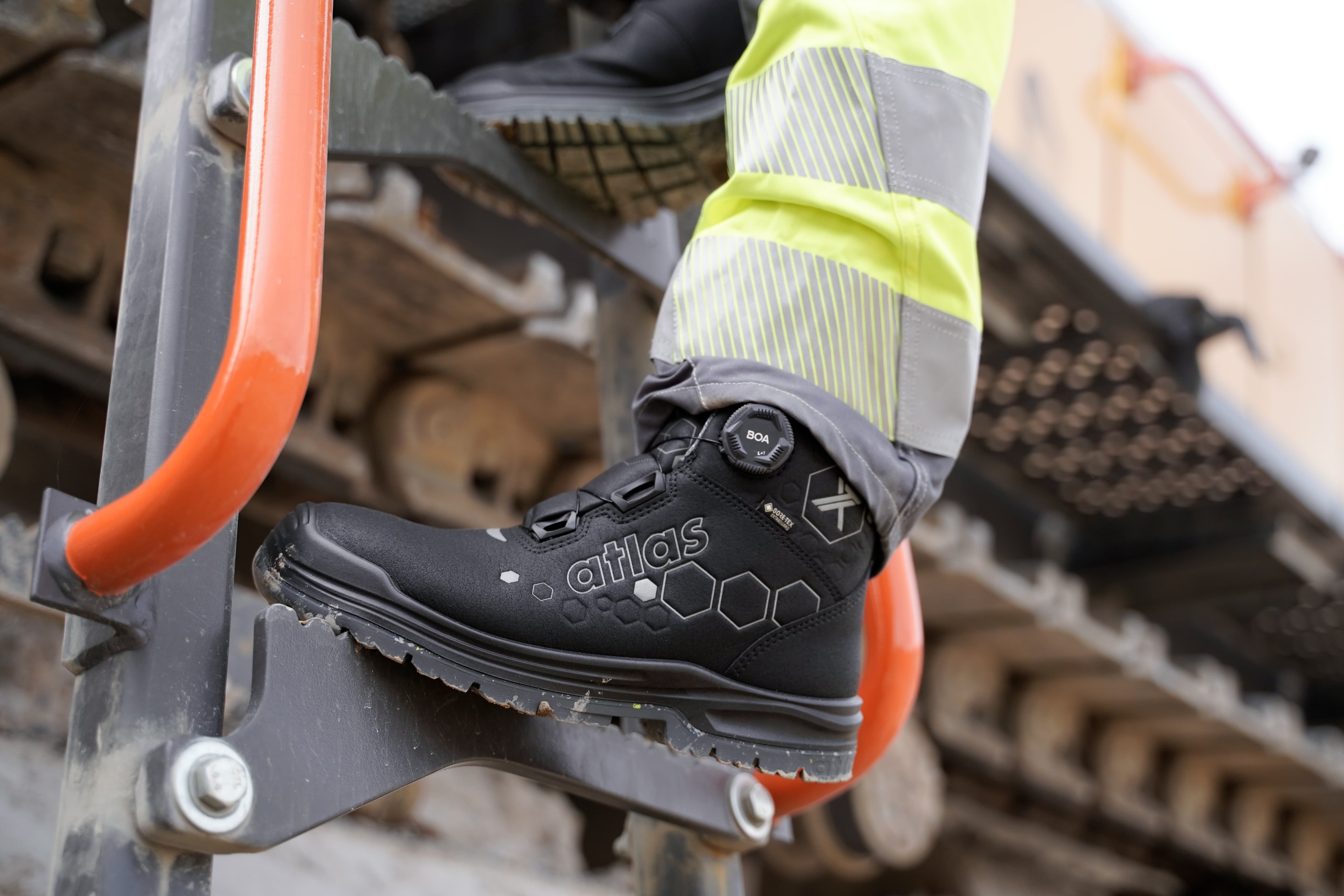
Comfort impacts worker performance, focus, and well-being. Footwear that fits well and maintains a balanced climate can help reduce fatigue and discomfort during long periods of standing or walking.
Key contributors to comfort include ergonomic footbeds, effective cushioning, adjustable fit options, and upper materials that mold well to the foot. Breathability also plays an essential role in footwear’s climate control. The airflow and moisture management features found in GORE-TEX® Boot constructions help maintain a consistent internal temperature, which supports long-term comfort without compromising protection.
5. Easy Care: Protection That Lasts
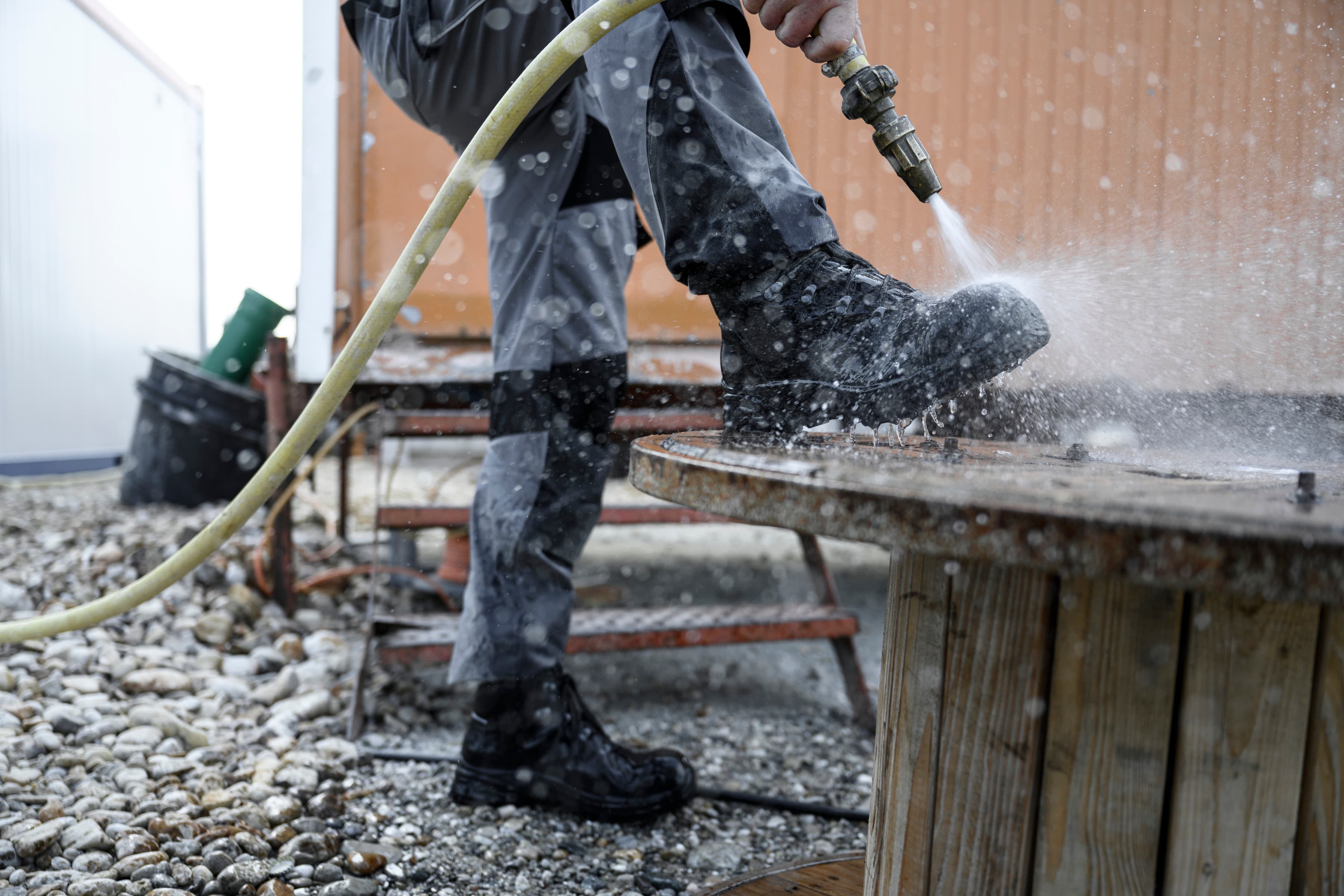
Boots must be practical to maintain. Water repellency, leather conditioning, and dirt removal all help extend service life, but care routines are often overlooked when maintenance is time-consuming.
Synthetic and advanced materials can require far less upkeep than traditional materials. Certain boot textiles, like GORE-TEX® EXTRAGUARD upper technology, are designed to be quick to clean, helping workers maintain performance and protection with less effort.
6. Durability: Built to Withstand the Real World
Safety boots face constant flexing, abrasion, and exposure to rough conditions. Materials must resist wear, seams must stay strong under pressure, and supportive structures should retain their shape over time.
Durable footwear reduces replacement frequency and provides consistent stability and protection. Long-lasting materials and laminates, including those engineered by GORE-TEX® Brand for safety applications, are developed with this real-world durability in mind. The entire system of outer material, insulation, the GORE-TEX® Membrane and lining has to pass a number of stringent tests under tough conditions.
7. Responsible Performance: Designed for a Long Service Life
Roughly 80% of a safety boot’s carbon footprint is generated during manufacturing. This makes durability one of the most effective ways to improve its overall footprint. When boots are built to last and are worn for a longer period, the one-time emissions from production are spread out over more years of use. As a result, the annual environmental impact can be reduced by nearly 50%.[2]
Durable materials, repairable construction, and maintenance all contribute to a longer life cycle. Boots built with long-lasting components, including GORE-TEX® Laminates, can help extend the useful life of footwear. This reduces the frequency of replacements and supports more responsible resource use.
Why These Factors Matter
Selecting safety boots is about much more than meeting regulatory requirements. Real-world performance comes from the interaction of protection, comfort, durability, weight, climate management, ease of care, and sustainability.
Professionals around the world rely on footwear that keeps up with the demands of the job. When these seven factors come together, safety boots can help reduce fatigue, support well-being, and improve worker confidence in challenging environments.
1 (Soule & Goldman et al. 1969; Legg & Mahanty 1986) as well as a U.S. Army Overview (Knapik et al. 2004)
2 Bodoga, R. et al. (2024): Environmental Impact of Footwear Using Life Cycle Assessment – Case Study of Professional Footwear. Sustainability, 16 (14), 6094. https://doi.org/10.3390/su16146094


