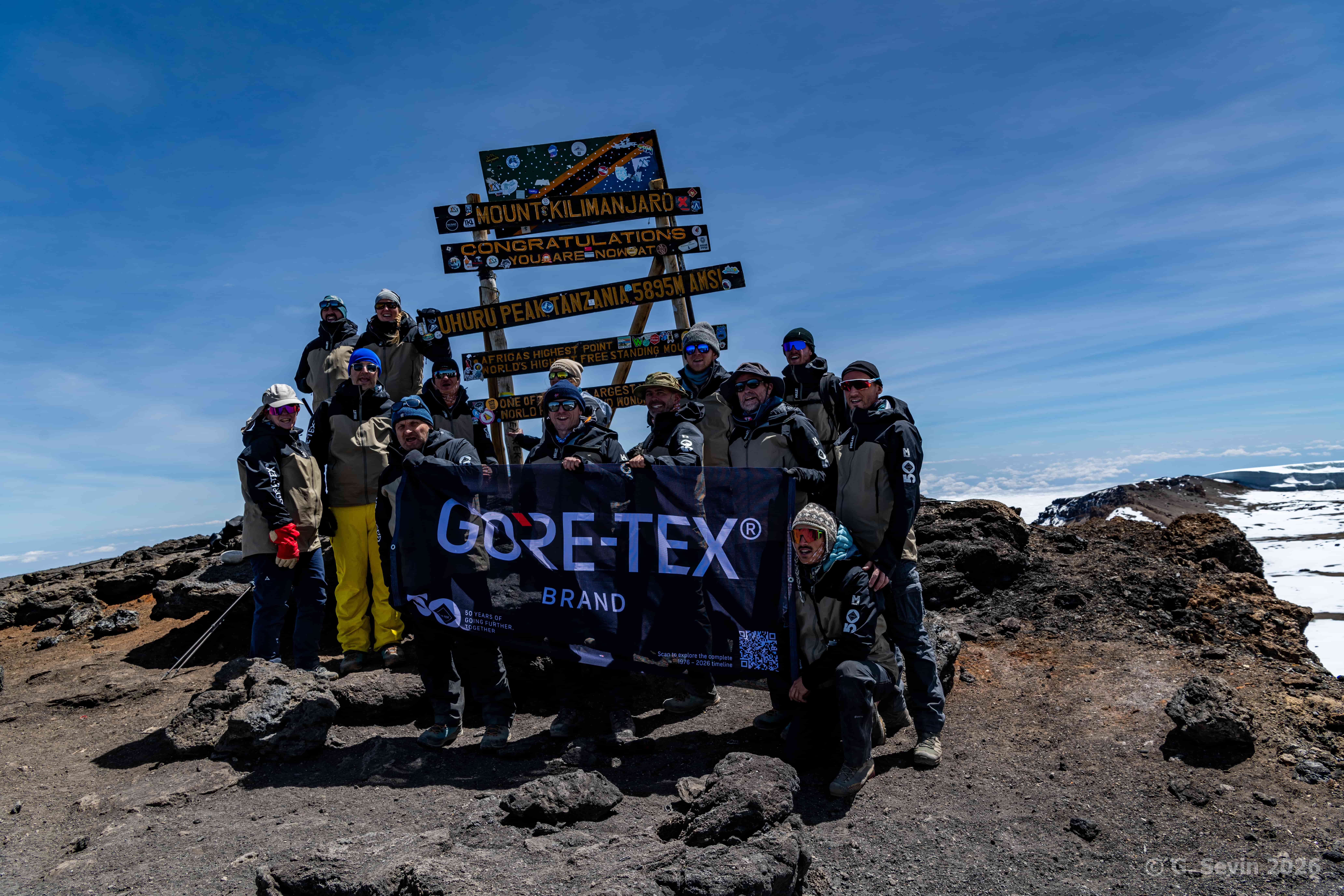


In June 2026, a team of reservists set out to climb Mount Kilimanjaro alongside six wounded service members, with a goal that went far beyond the physical challenge.
In this Q&A, expedition leader Constance Viandier shares how the mission was built, what it took to prepare, and why the experience mattered for every participant. Supported by the GORE‑TEX® Brand with jackets from Millet and boots from Meindl, the team was able to focus on the challenge itself as conditions shifted around them.
1. What inspired you just over a year ago to commit to this project supporting wounded service members, and what does it mean to you on a personal level?
In the summer of 2024, together with several colleagues who were then training at ESORSEM (the Advanced School for Reserve Staff Officers), we set out to raise awareness for a cause that is deeply important to us: wounded service members.
Our intention was to express our gratitude to those who have taken risks on our behalf by supporting them in achieving a demanding sporting challenge.
We therefore decided that, together with six wounded participants, we would attempt to reach the summit of Kilimanjaro, the roof of Africa, on June 15, 2026, rising to nearly 6,000 meters.
On a personal level, I was fully aware that this expedition would require a significant commitment, without any guarantee of success. Yet these are precisely the kinds of challenges that come our way—and that we feel compelled to embrace.
2. How would you explain the objective of this expedition to someone hearing about it for the first time?
Since 2010, around 3,400 French soldiers have been wounded, either physically or psychologically, during overseas operations or on national territory.
The care provided by the French armed forces constitutes a remarkable, continuous, and well-structured chain, extending from the theater of operations through to reintegration. This “end-to-end” approach is led by the Military Health Service (SSA) and supported by the Army’s wounded support unit, as well as numerous organizations such as Terre Fraternité, the Association for War-Blinded and Ear-Injured Veterans, “Les Gueules Cassées,” and the Bleuet de France.
Following evacuation from the operational theater and medical treatment in France, recovery involves rebuilding through sport—an integral part of the “DNA of a soldier.” To facilitate reintegration into society, individuals must regain confidence and rebuild themselves both psychologically and socially.
It is in this context that we sought, in our own modest way, to contribute to their recovery by aligning this expedition with the Ministry of Armed Forces’ 2023–2027 Wounded Personnel Plan.
The primary objective was to offer six of them the opportunity to reach the highest point on the African continent, thereby helping to restore their confidence and allowing them to envision reintegration into either military or civilian life. Our status as reservists, positioned at the intersection of these two worlds, made us particularly well-suited to carry this project forward.
The second objective, once the challenge had been accomplished, was to give greater visibility to wounded service members and to raise awareness of their cause among the wider public.
3. Why is a high-altitude trek such a powerful format for rebuilding confidence and resilience?
This trek offers three key advantages when it comes to supporting recovery.
First, the extraordinary and inspiring setting: we arrive in Tanzania, a country that inspired both Karen Blixen and Ernest Hemingway. From there, we progress through an equatorial forest filled with the calls of blue monkeys, emerge into heathlands dotted with giant groundsels, cross an alpine desert, and ultimately reach a glacier at the summit of a volcano overlooking the savanna. Few experiences are as restorative as witnessing such a unique and powerful natural spectacle.
Second, although the trek does not require specific mountaineering techniques, it is nonetheless highly demanding. Reaching the summit does not happen by chance—it requires determination. One must overcome the challenges associated with altitude—at 5,500 meters, oxygen pressure is reduced by half—while fatigue accumulates day after day. It demands the will to push through adversity in order to reach the goal.
Finally, the trek is undertaken as a group. The challenges encountered are shared, and cohesion naturally becomes a driving force. Humor allows us to maintain perspective in the face of difficulties. The bonds that form in adversity over just a few days in the mountains are genuine, powerful, and help to break any sense of isolation.
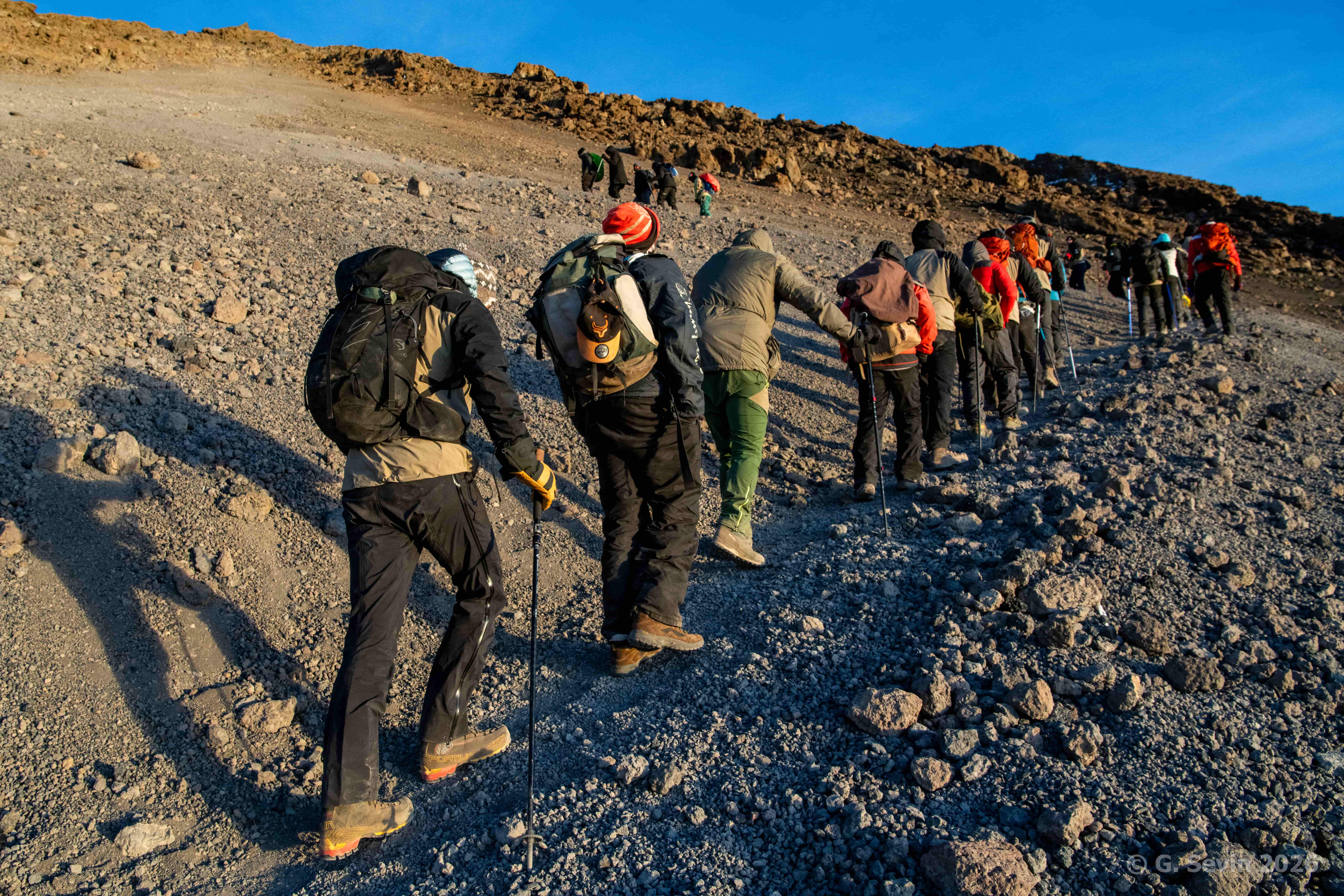
4. What are the main organizational and safety challenges in preparing the team?
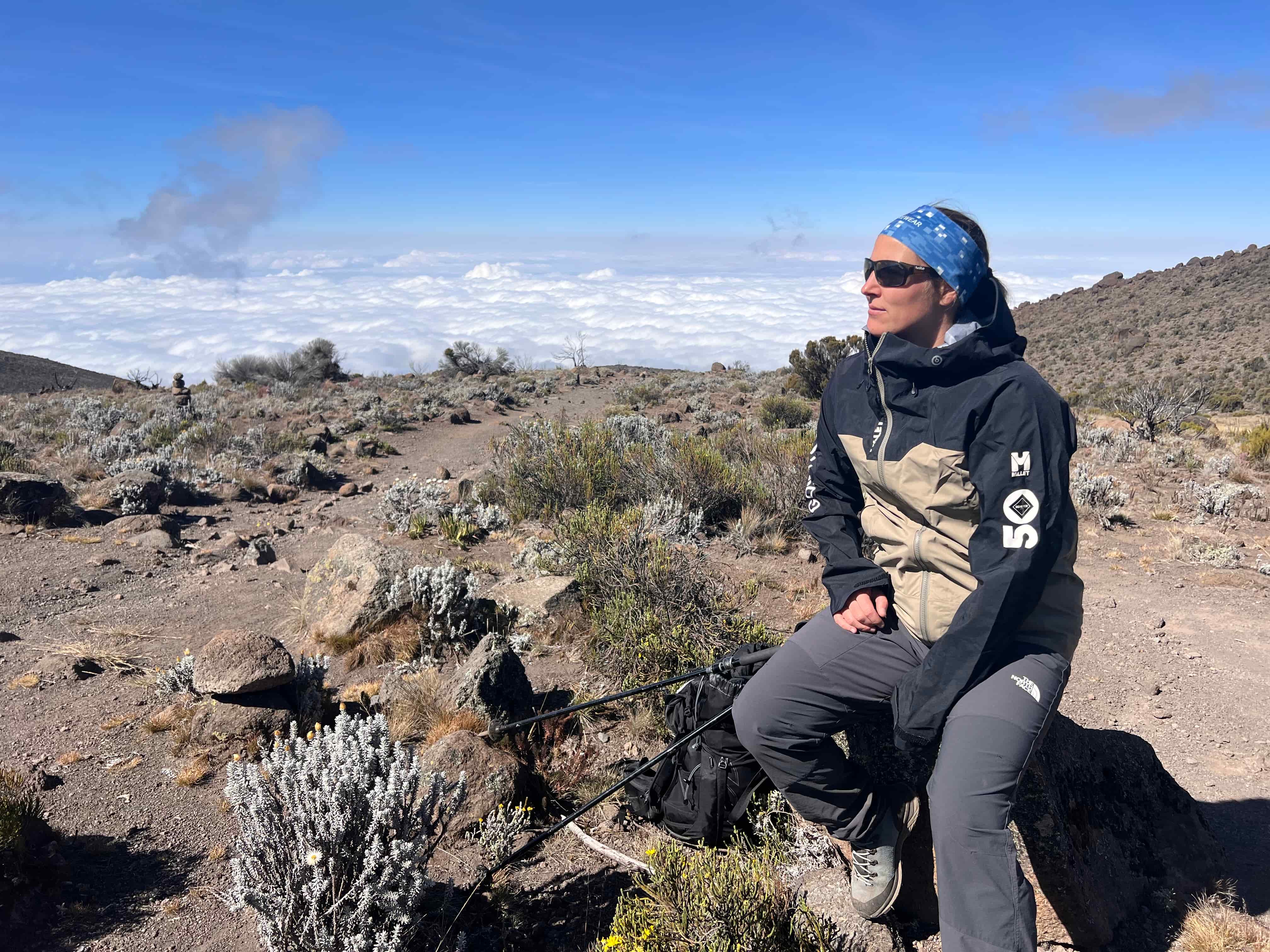
For this project, as in civilian life, I serve as the expedition leader. My role is to organize the journey from a logistical standpoint and ensure the smooth execution of the expedition.
Prior to departure, this involves ensuring the administrative, physical, medical, and equipment preparedness of all 19 participants.
On site, the logistical organization relies on a qualified and experienced team, including one guide for every three participants, two porters per person, and cooks.
The greatest risk associated with this expedition is Acute Mountain Sickness (AMS), as we do not remain at altitude long enough for full physiological acclimatization (specifically, an increase in hematocrit levels).
Headaches are common and often simply a sign of incomplete acclimatization. Even the most experienced mountaineers can experience altitude sickness—just as the best sailors can suffer from seasickness. However, severe AMS is a serious condition that can lead to high-altitude pulmonary or cerebral edema.
During the ascent, I ensure that the group progresses at a slower pace—particularly the more athletic members—teaching them to conserve their energy and avoid intense exertion. I also make sure that everyone remains well hydrated, which supports adaptation.
I also carry a comprehensive medical kit, including oxygen cylinders and a portable hyperbaric chamber.
5. What impressed you most about the participants?
First and foremost, their willingness. Not many people decide to travel to the other side of the world, push themselves physically, and wake up at 1 a.m. at 5,000 meters to attempt a summit approaching 6,000 meters in sub-zero temperatures.
I was also impressed by the diversity of the participants’ profiles and backgrounds, both in civilian life and within the reserve forces.
The journey of our six wounded participants was particularly inspiring—their resilience and their ability to rebuild both psychologically and professionally. I was especially moved by one participant’s passion for beekeeping, which he now takes the time to share with children in nearby villages.
Finally, I was struck by the team spirit: the cohesion, perseverance during long days of trekking, the ability to overcome the challenges of altitude, mutual support, and above all, humor regardless of the circumstances.
6. What do you hope the team will take away from this experience beyond reaching the summit?
Beyond reaching the summit, I hope that this experience will leave them, above all, with the conviction that the most ambitious challenges are overcome together.
For a team of reservists accompanying six wounded service members, climbing Kilimanjaro goes far beyond a sporting achievement. It provides an opportunity to demonstrate that solidarity, mutual trust, and support can help overcome obstacles that might appear insurmountable on an individual level.
I also hope they will remember that success is not defined solely by reaching the top. Moments of doubt, shared effort, encouragement, and the ability to adapt to difficulties are all integral parts of success. These shared experiences are often what create the most lasting memories.
Finally, I hope that each individual will leave with renewed confidence in their own abilities, as well as the understanding that the most meaningful successes are those experienced collectively. The summit marks the end of the ascent, but the lessons learned throughout this journey can continue to accompany them long after their return.
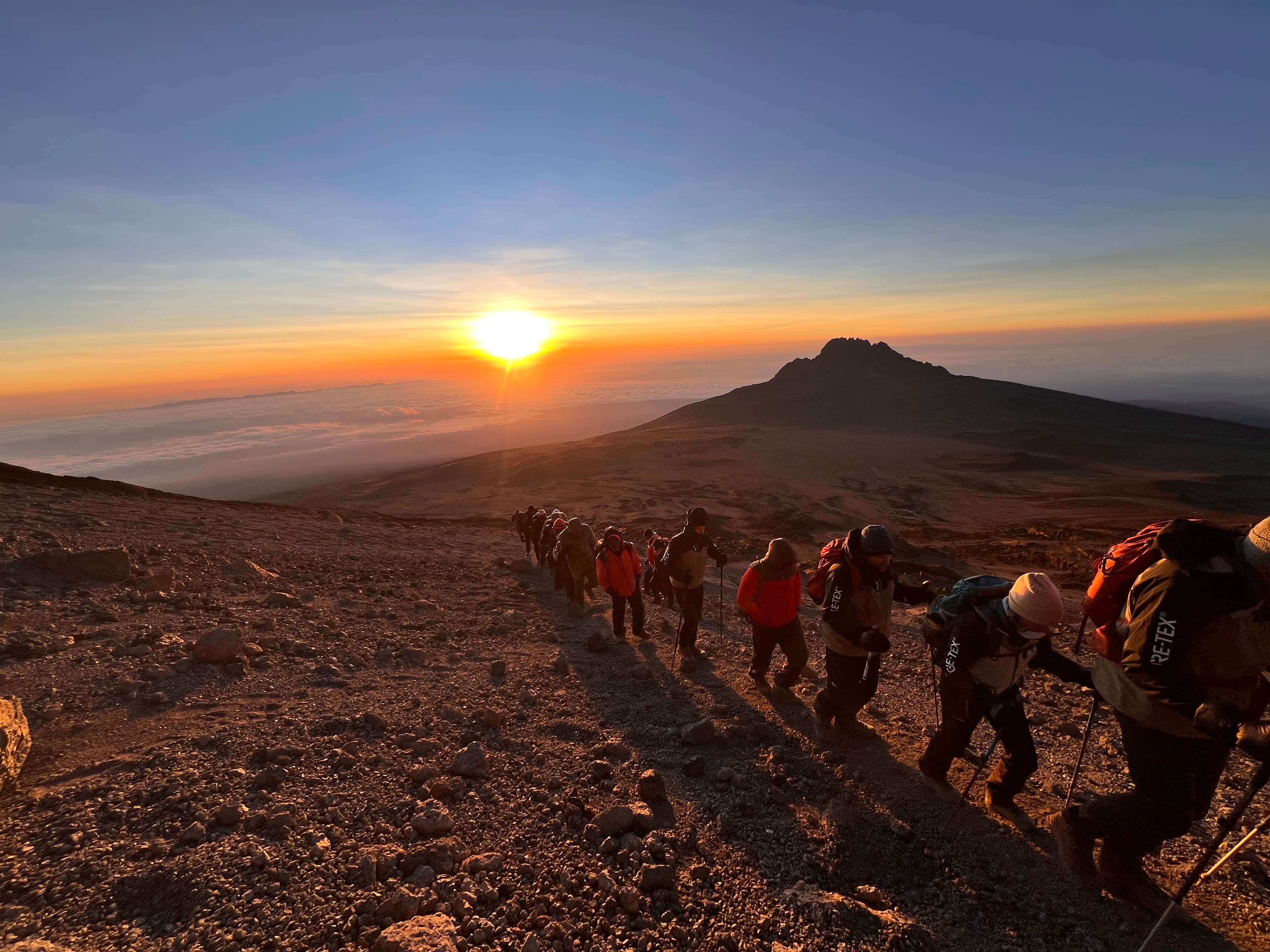
7. What does the support of the GORE‑TEX® brand represent for the mission, both practically and symbolically?
Although climbing Kilimanjaro does not require specialized technical skills, it is highly demanding in terms of equipment. It is essential to be as lightweight as possible in order to reduce the effects of altitude, while simultaneously coping with temperatures of +25°C in the rainforest—often in the rain—and as low as −25°C near the summit, sometimes in snowstorms. This requires equipment that is both versatile and lightweight.
For this purpose, GORE-TEX® Brand is a benchmark. The brand was already present throughout my personal equipment—mountain gear, skiing equipment, tents—and has always represented a mark of quality in my view.
I never imagined that such an internationally renowned brand would be interested in a project that was initially quite modest and relatively unknown. When our first exchanges with the team took place, I felt both delighted and deeply honored.
GORE-TEX® Brand supported us by providing each of the 19 participants with a jacket and a pair of boots. Every team member was therefore equipped with new, high-quality gear.
Beyond giving us a professional appearance—which did not go unnoticed by the hikers we encountered—this consistency also strengthened cohesion and the team spirit of the expedition.
We are all extremely grateful to the brand for this support.
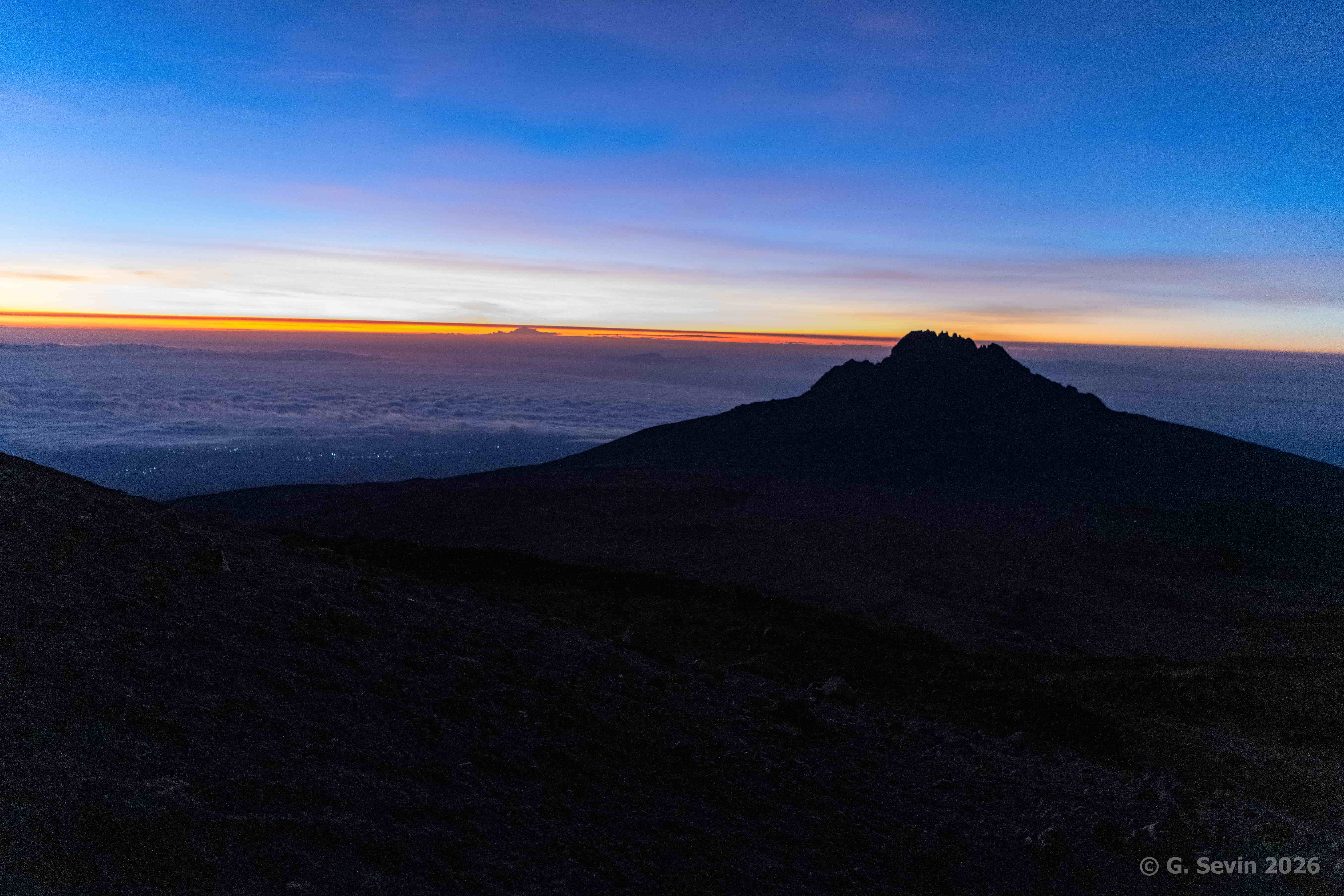
8. How does reliable equipment influence confidence and focus in such a challenge?
Reliable equipment naturally enhances both confidence and concentration, particularly during an ascent that requires endurance, lightness, and precision.
In such a varied physical environment—whether in terms of terrain, temperature, or humidity—it inevitably reduces uncertainty and allows individuals to focus their energy on the challenge itself.
This is especially true for essential items such as the GORE-TEX® Jacket, which is a fundamental piece of equipment always kept in the bottom of the backpack, as well as the boots, which are critical for protection and injury prevention. Waterproof and breathable, they provide effective insulation and grip. Even though they were received shortly before departure, the team was impressed by how lightweight and flexible they were.